High Mast Pole Specifications in Uttar Pradesh
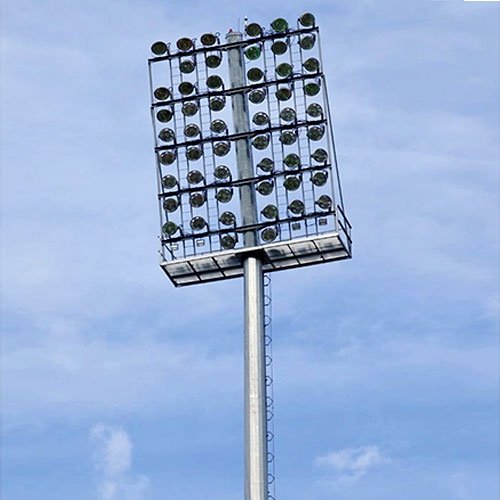
High Mast Pole Specifications are an important part of planning and selecting a suitable high mast lighting system for highways, industrial areas, airports, ports, stadiums, warehouses, parking areas, railway yards and other large outdoor spaces. A high mast pole is designed to support lighting fixtures at an elevated height and distribute illumination across a wide area. The specifications of the pole depend on factors such as overall height, structural design, steel grade, pole diameter, lighting load, wind conditions, foundation requirements and maintenance arrangement.
Alfa Uttar Pradesh Trading provides high mast pole solutions for different infrastructure, industrial and commercial applications. The specifications can be developed according to project requirements and site conditions. Proper selection of pole dimensions and accessories is important for achieving structural stability, reliable lighting performance and convenient maintenance.
Understanding High Mast Pole Specifications
High mast poles are not selected only on the basis of height. A complete specification normally covers the pole height, number of sections, shaft configuration, material, wall thickness, top lighting arrangement, fixture capacity, corrosion protection, raising and lowering mechanism, foundation arrangement and applicable design requirements.
The final specification should be determined according to the project location and intended application. Wind speed, lighting fixture weight, number of fixtures, soil conditions and required lighting coverage can all influence the design of the pole. For large infrastructure projects, structural calculations and foundation design should be completed by qualified professionals.
Typical High Mast Pole Specifications
| Specification | Typical Requirement / Consideration |
|---|---|
| Product Type | High Mast Lighting Pole |
| Application | Highways, industrial areas, airports, ports, stadiums, parking areas and large open spaces |
| Material | Structural grade steel as per project requirement |
| Pole Height | Selected according to required lighting coverage and site conditions |
| Pole Shape | Tapered polygonal or suitable engineered configuration |
| Lighting Arrangement | Multiple floodlights or suitable outdoor lighting fixtures |
| Surface Protection | Hot-dip galvanizing or suitable protective coating as specified |
| Maintenance System | Raising and lowering arrangement where required |
| Foundation | Designed according to pole loading, soil condition and site requirements |
| Design Considerations | Wind load, fixture load, pole height and site-specific structural requirements |
The above specifications are general considerations rather than a fixed specification for every project. Actual dimensions, material thickness, pole height, fixture capacity and foundation details should be finalized according to the engineering requirements of the installation site.
Key High Mast Pole Specifications
1. Pole Height
Pole height is one of the primary specifications of a high mast lighting system. The required height depends on the area to be illuminated, lighting fixture characteristics, required illumination level and site layout. Higher poles can provide wider coverage when the complete lighting system is properly designed.
2. Material and Steel Grade
High mast poles are generally manufactured using suitable structural steel. The selected steel grade and material thickness depend on the structural design and applicable project requirements. Material selection should provide sufficient strength to support the pole structure and installed lighting equipment.
3. Pole Shaft Design
The shaft can be manufactured using a tapered polygonal or other suitable engineered configuration. The shaft dimensions and wall thickness are determined according to pole height, wind loading, lighting fixture load and structural calculations.
4. Number of Lighting Fixtures
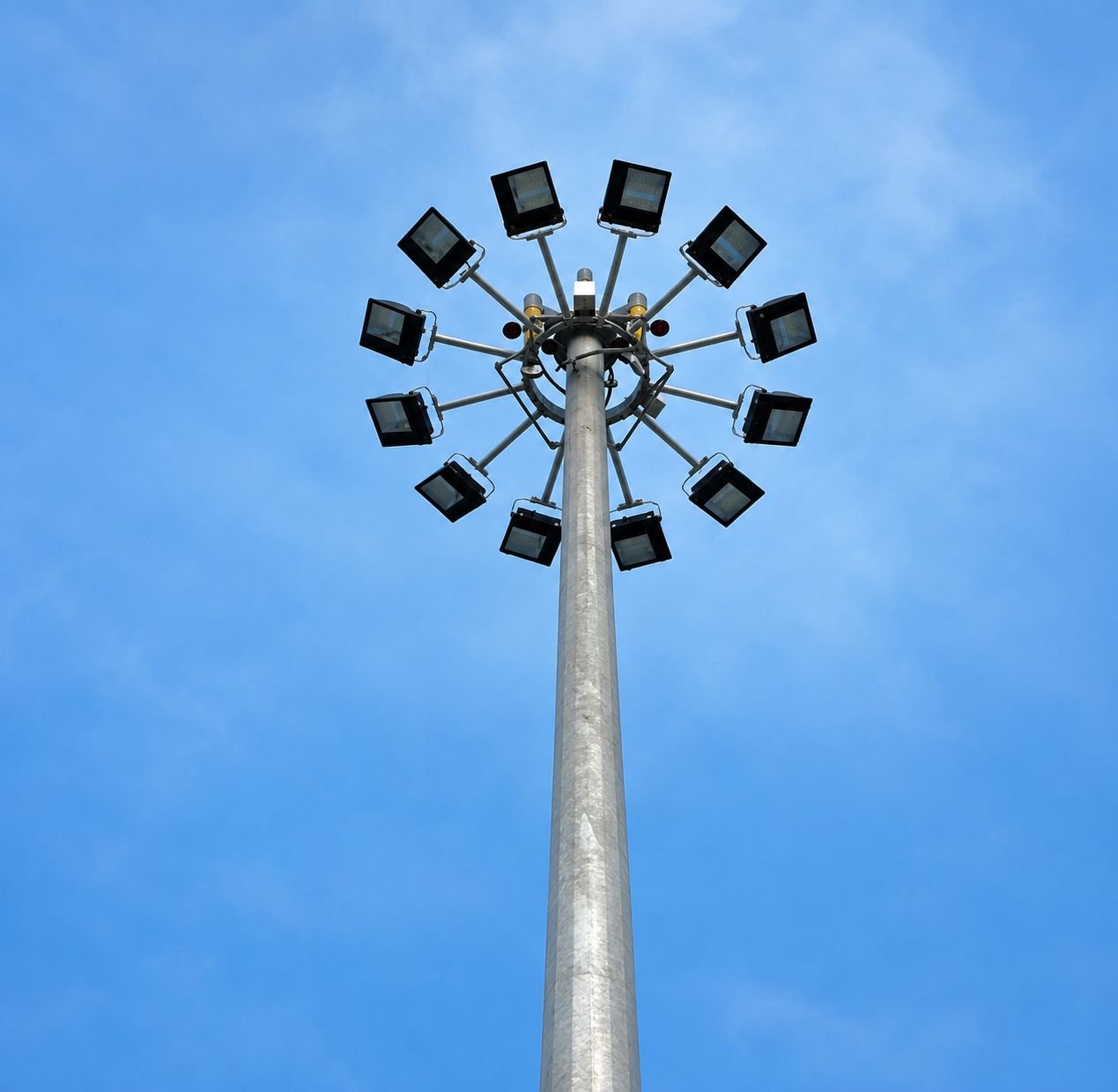
A high mast pole can support multiple lighting fixtures through a suitable headframe or lighting arrangement. The number and type of fixtures depend on the required illumination, area coverage and fixture weight. The lighting arrangement should be considered during the structural design of the pole.
5. Wind Load
Wind loading is a critical consideration when determining high mast pole specifications. Since the pole is installed at considerable height, wind pressure can create significant structural loads. The pole design should therefore account for the applicable wind conditions at the installation location.
6. Foundation Requirements
The foundation is an important part of the complete high mast installation. Foundation dimensions and anchoring arrangements depend on pole height, structural loads, soil conditions and site-specific engineering requirements. A suitable foundation design helps provide stability to the installed pole.
7. Corrosion Protection
High mast poles are generally installed outdoors and are exposed to rain, moisture, dust and changing environmental conditions. Hot-dip galvanizing can be used to provide a protective zinc coating over the steel surface and improve resistance to corrosion. The required protection system can vary according to the installation environment.
8. Raising and Lowering Mechanism
For high mast systems where maintenance access is important, a raising and lowering mechanism can be incorporated. The lighting assembly can be lowered to a convenient working position for inspection, cleaning, repair or replacement of lighting fixtures. The mechanism can include suitable winch, wire rope, pulley and locking components according to the system design.
High Mast Pole Specifications for Different Applications
The required specifications can vary depending on where the high mast pole will be installed. Highway and expressway projects may require wide-area lighting and carefully positioned poles. Industrial facilities may require robust lighting systems for production yards, storage areas and internal roads. Airports and ports may require project-specific structural and lighting considerations because of their large open areas and operating conditions.
For stadiums and sports grounds, the lighting arrangement is normally developed according to the required coverage and lighting performance. Large parking areas and logistics parks may use high mast poles to illuminate vehicle movement areas, loading zones and open yards.
High Mast Pole Specifications and Customization
There is no single specification that is suitable for every high mast lighting project. Pole height, shaft dimensions, lighting head arrangement, fixture capacity and foundation requirements can be customized according to the project. Site conditions and applicable engineering requirements should be evaluated before finalizing the design.
Alfa Uttar Pradesh Trading can provide high mast pole solutions based on project requirements. Customers can share details such as required pole height, number of lighting fixtures, application area, installation location and preferred lighting arrangement. Based on these requirements, an appropriate pole configuration can be developed.
High Mast Pole Specification Checklist
- Required pole height
- Number of lighting fixtures
- Total lighting fixture weight
- Required lighting coverage
- Site location and environmental conditions
- Applicable wind load
- Steel material and grade
- Pole shaft configuration
- Wall thickness and structural design
- Lighting head or headframe arrangement
- Raising and lowering mechanism
- Corrosion protection requirement
- Foundation and anchor arrangement
- Installation and maintenance requirements
Why Proper High Mast Pole Specifications Matter
Correct specifications help ensure that the pole is suitable for its intended application. An incorrectly selected pole may not provide the required lighting coverage or may not be appropriate for the expected structural loads. Proper engineering consideration of pole height, fixture weight, wind conditions, foundation and corrosion protection helps create a more reliable lighting installation.
For this reason, high mast pole specifications should be finalized based on actual project conditions rather than selecting a standard size without considering the installation environment. A project-specific approach is especially important for highways, airports, ports, industrial plants, stadiums and other large infrastructure installations.
High Mast Pole Specifications for Your Project
If you are looking for detailed High Mast Pole Specifications for a highway, industrial facility, airport, port, warehouse, stadium, railway yard or large parking area, contact Alfa Uttar Pradesh Trading with your project requirements. Our team can help determine a suitable high mast pole configuration based on required height, lighting arrangement, fixture load, site conditions and installation requirements.
Share your required pole height, application, number of lights and project location to discuss the appropriate high mast lighting pole specification for your application.